
Project Date: 11 September 2026
Location: Kalyanipura Rural College, Welioya, Mullaitivu District, Sri Lanka
Implementing Organization: Helping Hands Ceylon (HHC)
Project Areas: Sustainable Water Access, Educational Support, Child Well-being and Community Development
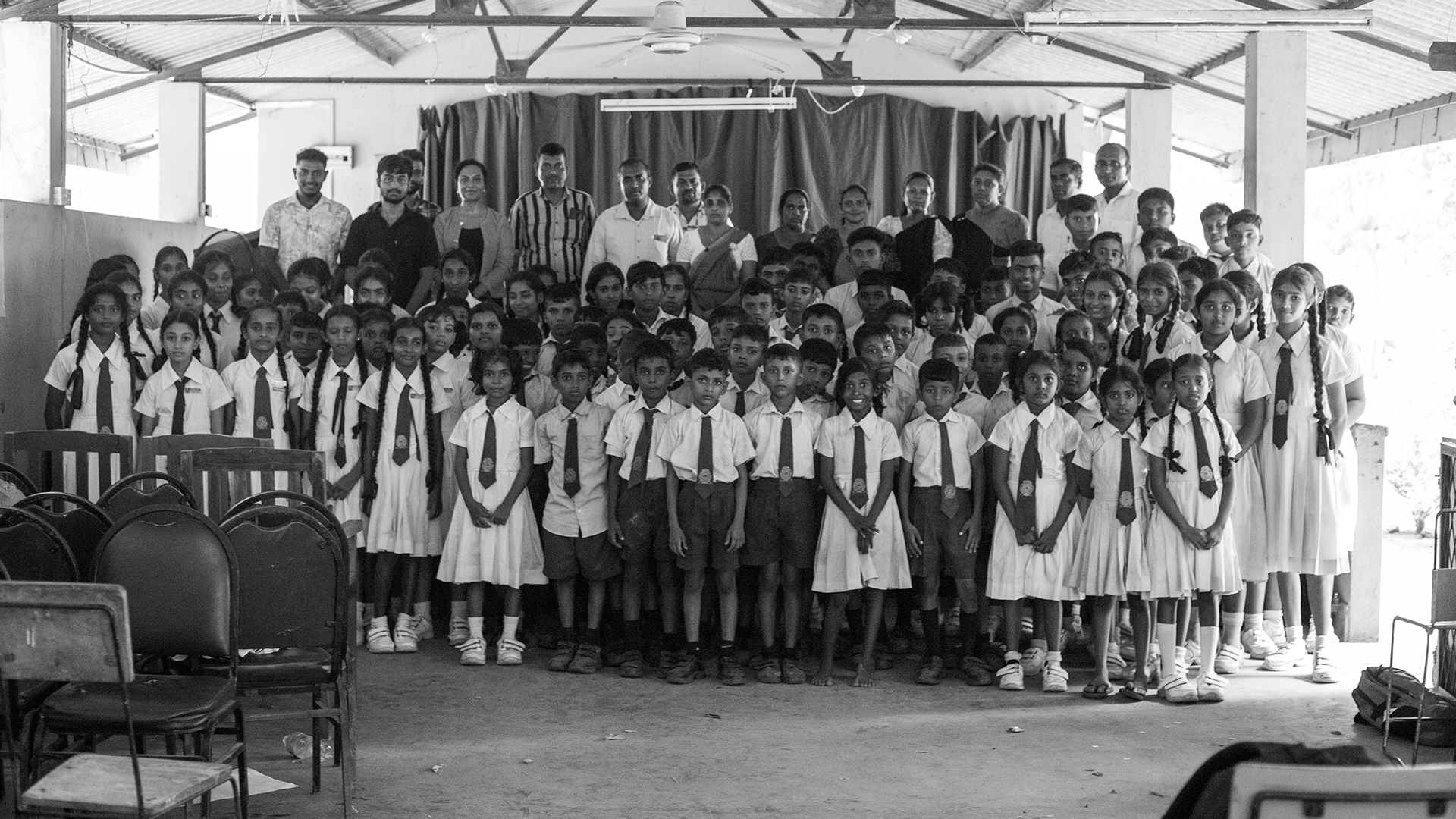
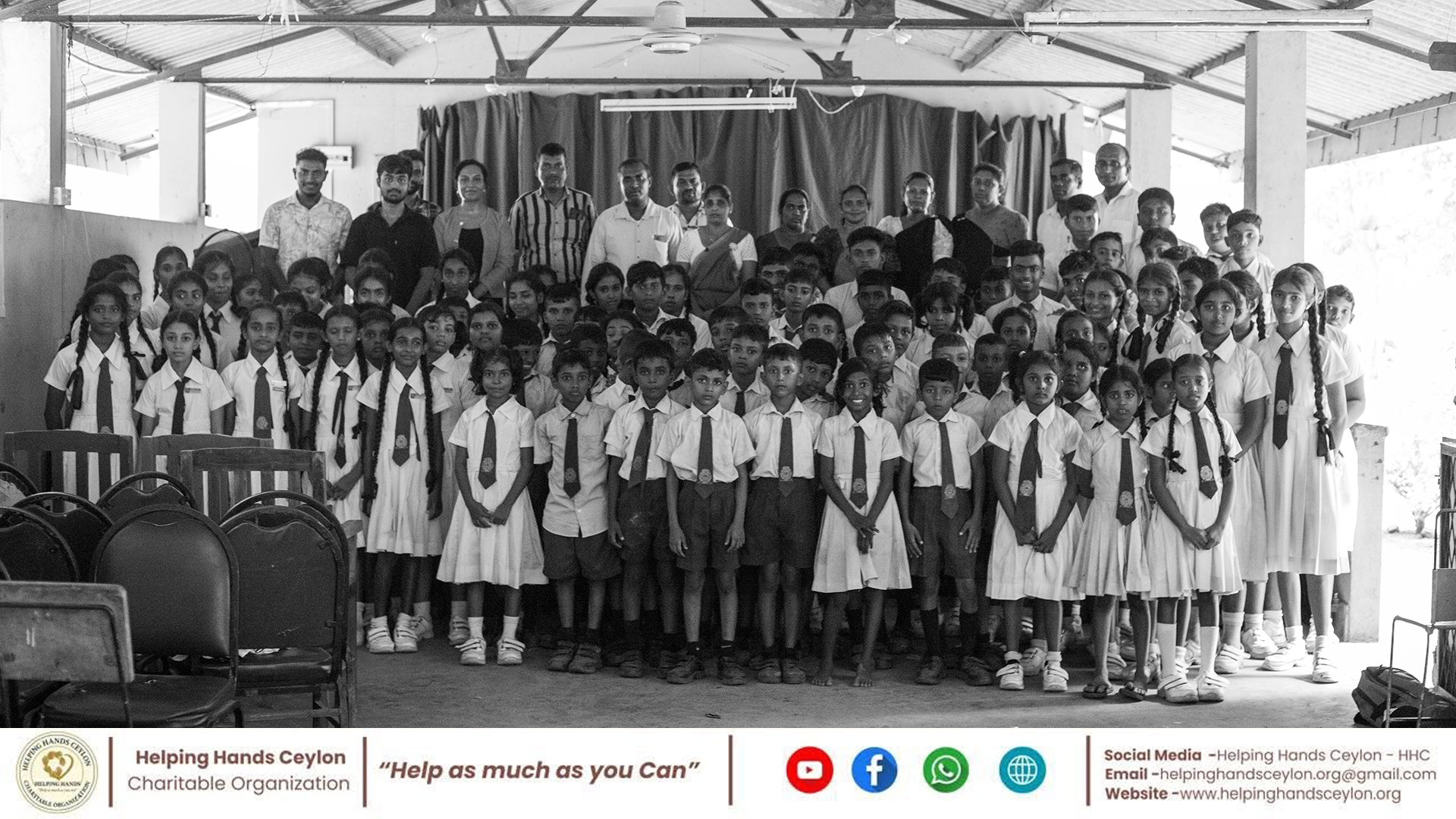
Direct Beneficiaries: 139 students and 15 teachers
Wider Community Beneficiaries: More than 1,000 villagers expected to benefit from the water project
1. About Project SOLRA
Project SOLRA is a community development initiative implemented by Helping Hands Ceylon (HHC) at Kalyanipura Rural College in Welioya, Mullaitivu District, Sri Lanka.
The project was developed to address the school’s long-standing water supply problem while providing educational assistance and supporting the emotional well-being of children in an underserved rural community.
Implemented on 11 September 2026, Project SOLRA brought together essential water infrastructure, educational materials and child-focused well-being activities under one coordinated initiative.
The project directly serves 139 students and 15 teachers. Its water infrastructure is also expected to benefit more than 1,000 villagers in the surrounding community.
For HHC, SOLRA represents a commitment to addressing essential community needs through practical action. It reflects the belief that every child deserves access to a supportive learning environment, essential educational resources and the basic facilities necessary for a healthy school experience.
2. Background and Community Need
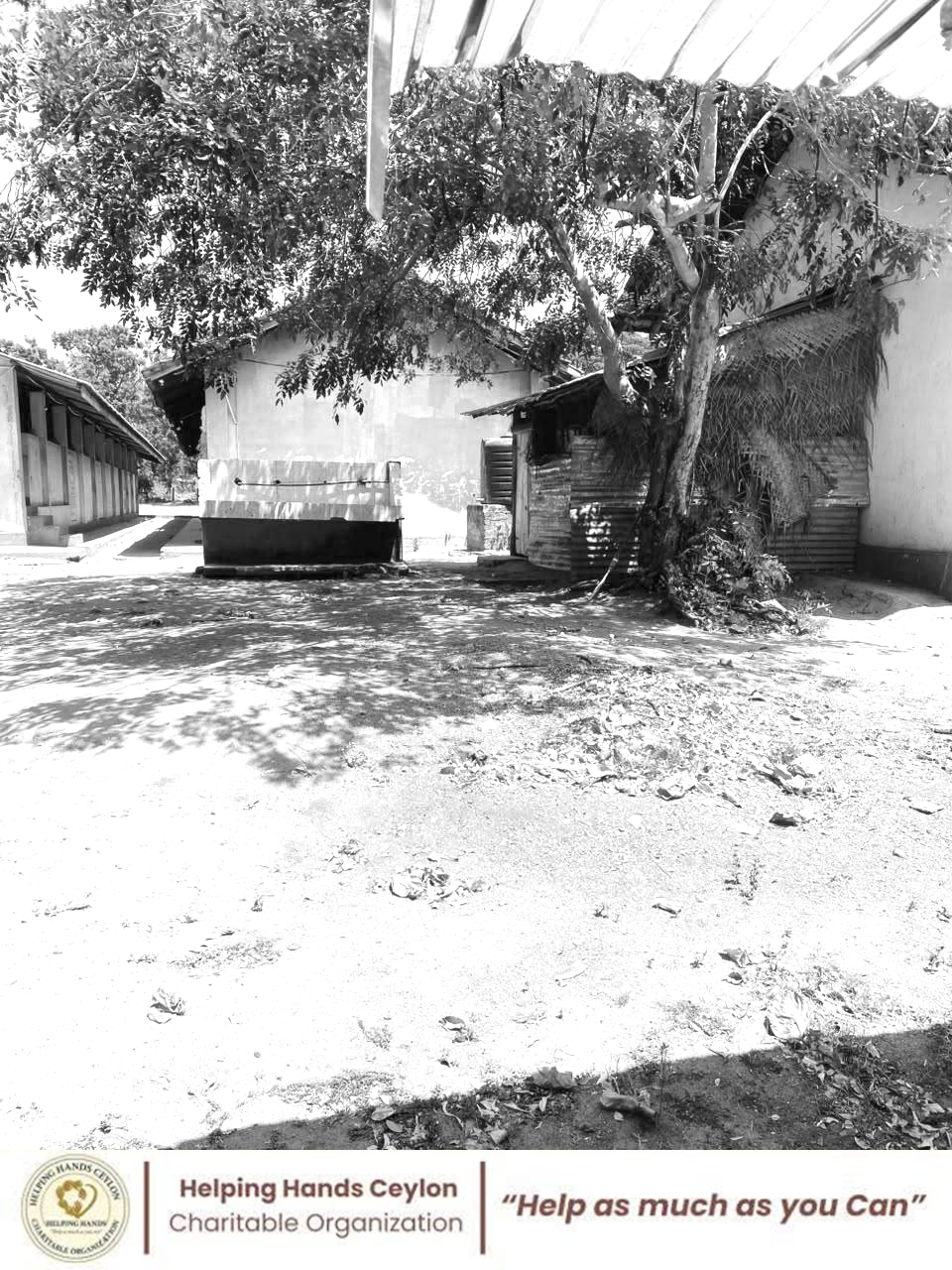
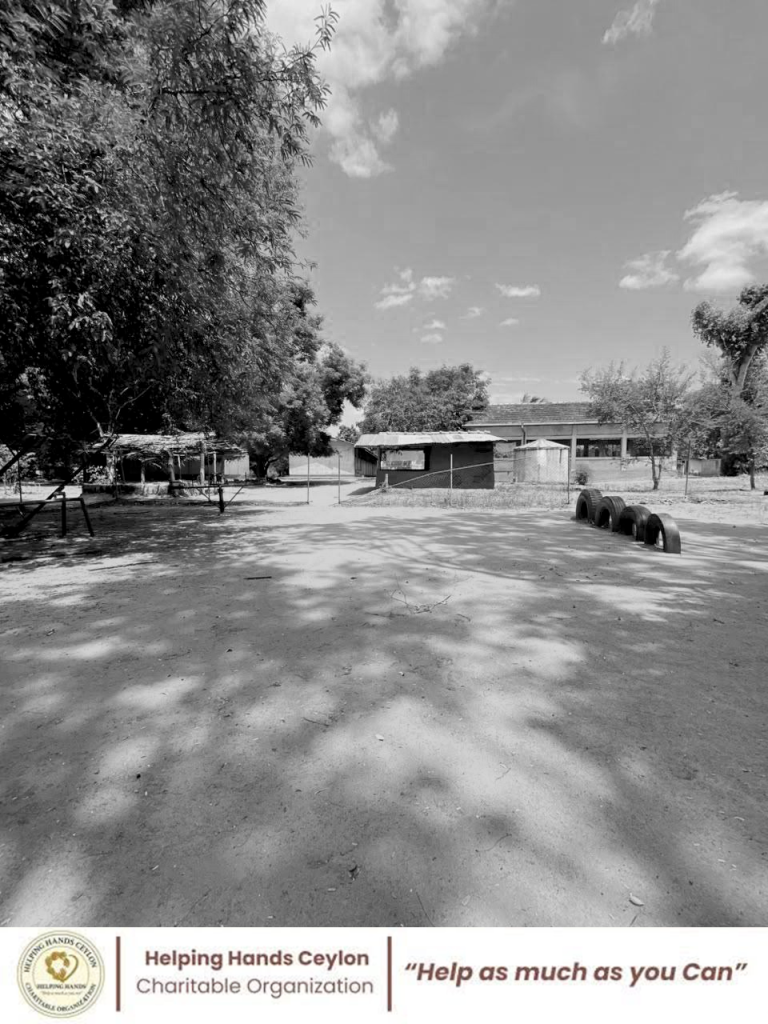
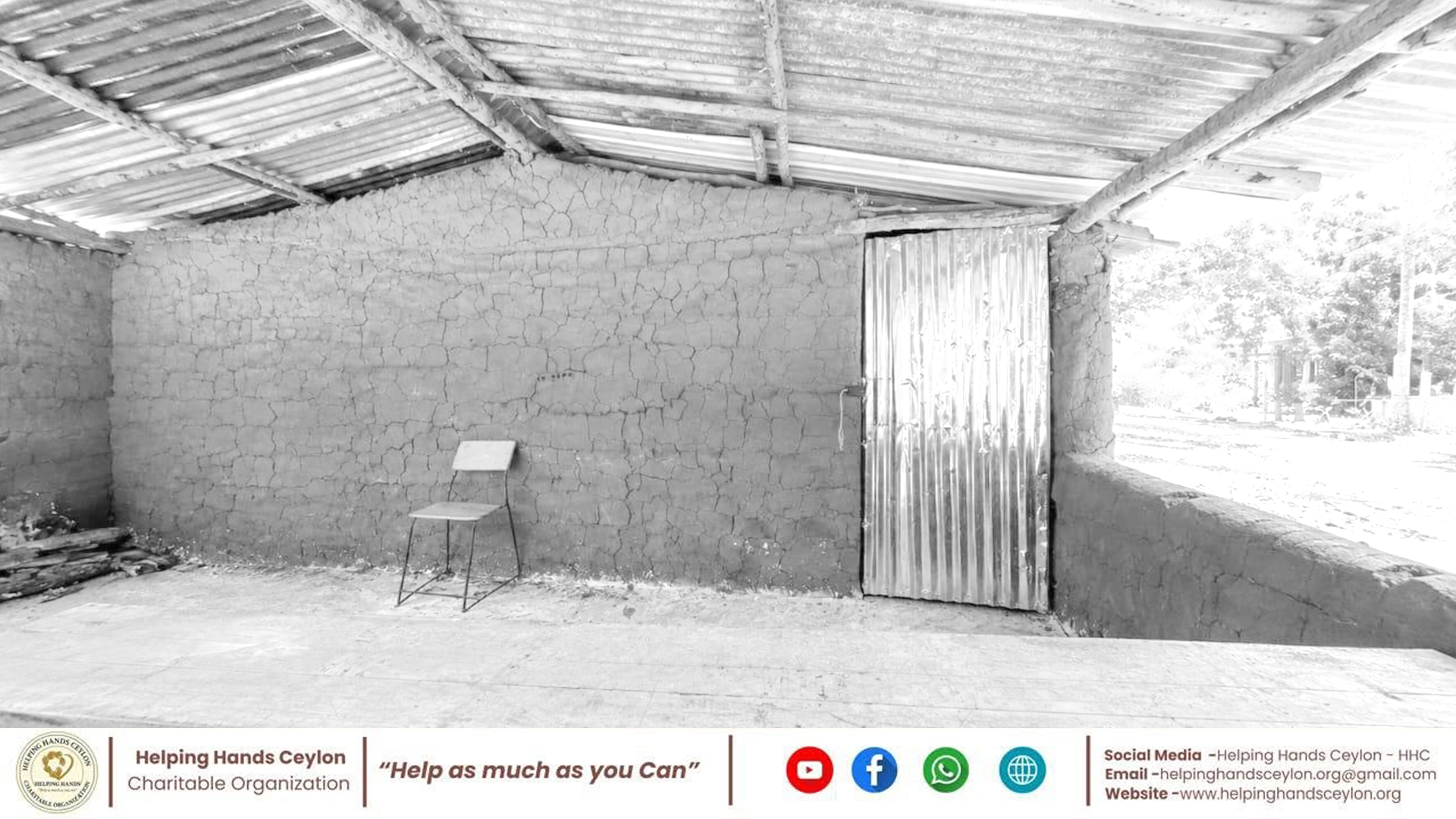
Kalyanipura Rural College serves children in a rural area of the Mullaitivu District, where access to essential infrastructure and educational resources remains a challenge.
The school carries a difficult historical legacy. During the war, its premises were used as a training centre. Despite years of bringing the school’s water supply problem to the attention of the relevant authorities, a sustainable solution had not been provided.
The lack of a reliable water supply presented an ongoing challenge for the school community. Access to water is essential for maintaining hygiene, supporting daily school activities and creating a healthy learning environment.
Recognizing the importance of this basic need, Helping Hands Ceylon took the initiative to support a more sustainable water supply for the school.
HHC also recognized that supporting children requires more than addressing physical infrastructure. Educational materials, emotional well-being and opportunities for personal development are important parts of a child’s growth.
Project SOLRA was therefore designed to address these interconnected needs through water infrastructure, educational assistance and the Healthy Minds program.
3. Project Objectives
Project SOLRA was designed to achieve the following objectives:
- Improve access to water: Support a more sustainable water supply for Kalyanipura Rural College.
- Strengthen educational opportunities: Provide essential stationery, schoolbags and educational materials to support students’ learning.
- Promote emotional well-being: Conduct stress-relief sessions, therapeutic art and interactive activities through the Healthy Minds program.
- Encourage creativity and self-expression: Provide children with opportunities to express themselves through art and group participation.
- Promote digital safety: Raise awareness of cybersecurity and responsible online behavior.
- Support the wider community: Extend the potential benefits of improved water infrastructure beyond the school.
- Encourage sustainable development: Address immediate needs while supporting longer-term improvements in education, health and community well-being.
4. Key Project Components
A. Sustainable Water Supply Infrastructure
The water project is the central component of Project SOLRA.
HHC undertook the initiative to address the school’s long-standing water problem through the installation of a tube-well water pump, pipelines, taps and a water storage tank as part of the planned water supply system.
The aim is to provide the school with a more reliable source of water to support daily activities and improve conditions for students and teachers.
The benefits are expected to extend beyond the school premises. More than 1,000 villagers in the surrounding community are expected to benefit from the improved water infrastructure.
Reliable water access can contribute to better hygiene, healthier living conditions and stronger community resilience. It can also help reduce the difficulties associated with obtaining water for essential daily needs.
For a school that has experienced this problem for years, addressing water access represents an important step towards providing a healthier and more supportive environment for learning.
To sustain these benefits, the water infrastructure will require appropriate maintenance, responsible use and coordination with the relevant school and local authorities.
B. Educational Support for Students
Education is a central part of Helping Hands Ceylon’s commitment to children in underserved communities.
As part of Project SOLRA, HHC provided essential stationery and educational supplies to support the learning needs of students at Kalyanipura Rural College.
The project also included schoolbags and educational packages, with support planned for 140 children.
For families experiencing financial difficulties, the cost of stationery and other school essentials can place an additional burden on household budgets. Providing these materials helps ease that pressure and gives children better access to the resources they need for their education.
HHC believes that every child deserves the opportunity to learn, develop skills and pursue their ambitions regardless of their family’s financial circumstances or geographical location.
Through this educational component, Project SOLRA sought to support students’ classroom participation while encouraging them to continue their educational journey with confidence.
C. Healthy Minds: Emotional Well-being and Creative Expression
Recognizing that children’s development involves both academic learning and emotional well-being, Helping Hands Ceylon incorporated its Healthy Minds program into Project SOLRA.
The program was designed to provide students with opportunities to relax, express themselves creatively, participate in interactive activities and develop positive social connections in a supportive environment.
The Healthy Minds program included the following activities.
Stress-Relief Sessions
The sessions introduced activities intended to help students relax, manage everyday stress and enjoy positive experiences within their school environment.
They also highlighted the importance of emotional well-being as part of children’s overall development.
Therapeutic Art
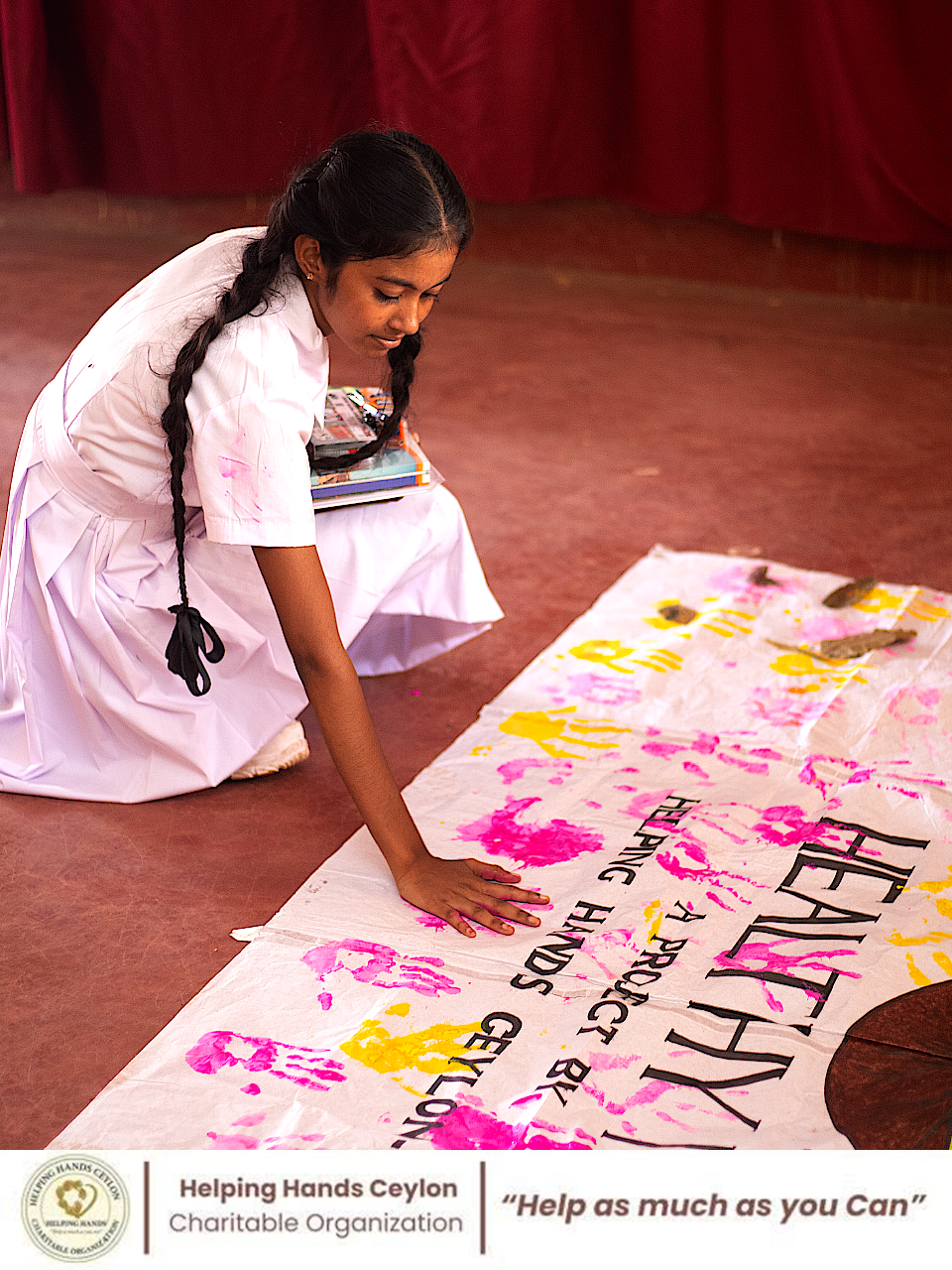
Therapeutic art activities encouraged students to explore creativity and express their thoughts and feelings through artistic activities.
Art can provide children with an alternative way to communicate, explore ideas and participate in a supportive setting. These activities were included to encourage creative expression and positive engagement.
Interactive Activities
Interactive activities encouraged students to participate actively, communicate with one another and enjoy shared experiences.
These activities supported engagement, cooperation, confidence and positive interaction among students.
Separate Materials for Healthy Minds Activities
In addition to the educational supplies provided for students, separate materials were supplied specifically for the Healthy Minds program.
These materials supported the therapeutic art, stress-relief sessions and interactive activities, giving students the resources needed to take part in the programme.
Through these activities, HHC sought to create meaningful opportunities for children to enjoy creative learning, strengthen social connections and experience a more supportive school environment.
The Healthy Minds component reflects HHC’s belief that children’s well-being deserves attention alongside their academic progress.
D. Cybersecurity Awareness
As digital technology becomes an increasingly important part of everyday life, children need opportunities to learn about online safety and responsible digital behaviour.
Project SOLRA also incorporated cybersecurity awareness into its planned educational activities.
The aim was to introduce students to important digital safety principles, including protecting personal information, recognising potential online risks and behaving responsibly when using digital platforms.
This component reflects HHC’s commitment to helping children develop practical life skills that are relevant to the changing world around them.
By introducing digital safety awareness alongside educational and well-being support, Project SOLRA sought to contribute to a more rounded learning experience for students.
5. Project Implementation: From Kandy to Mullaitivu
Project SOLRA required preparation, coordination and considerable commitment to bring assistance from Kandy to a rural school in the Mullaitivu District.
The geographical distance presented practical challenges involving transportation, logistics, the preparation of educational materials and coordination with local stakeholders.
However, HHC remained committed to reaching the school and responding to the needs identified within the community.
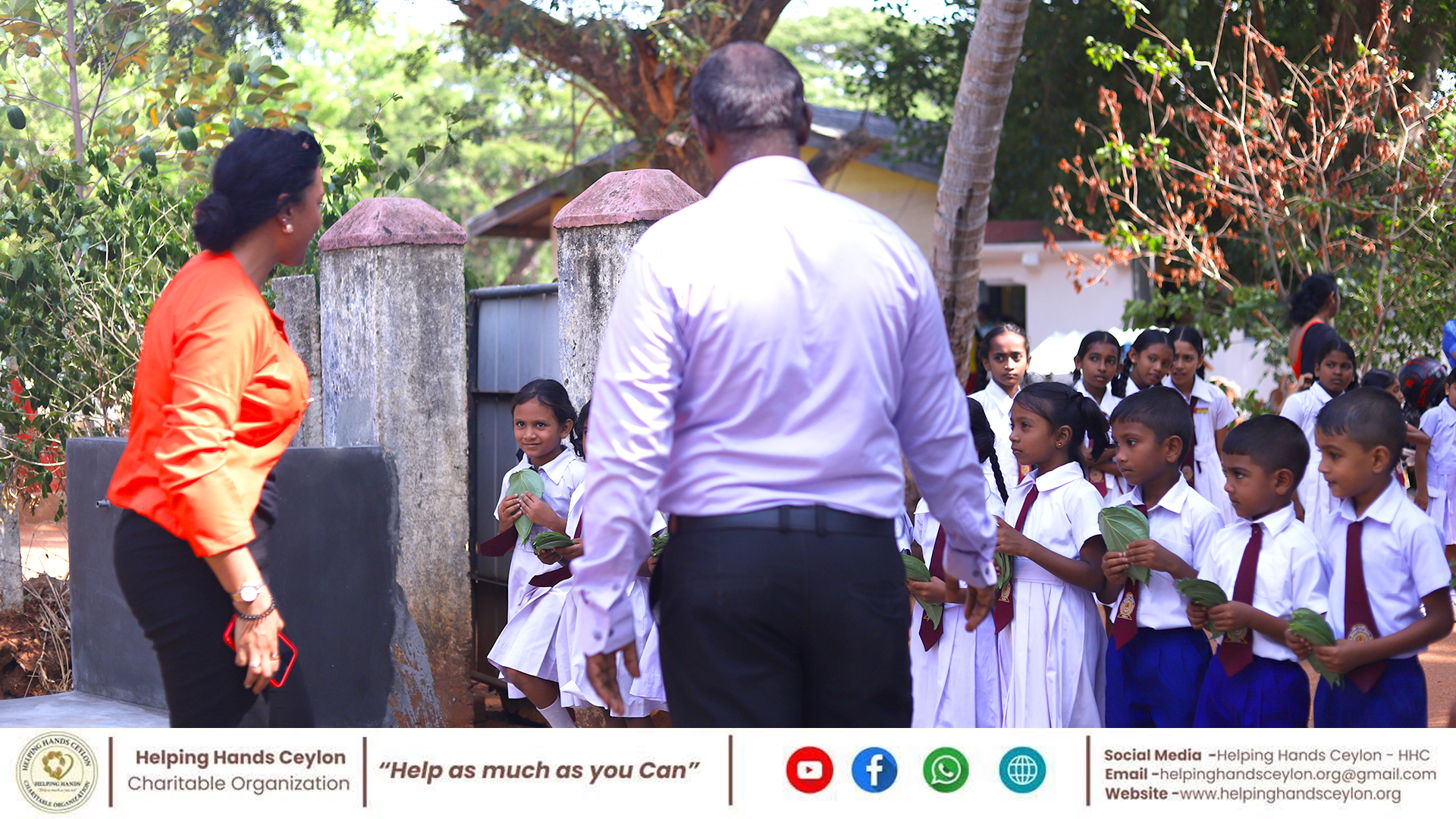
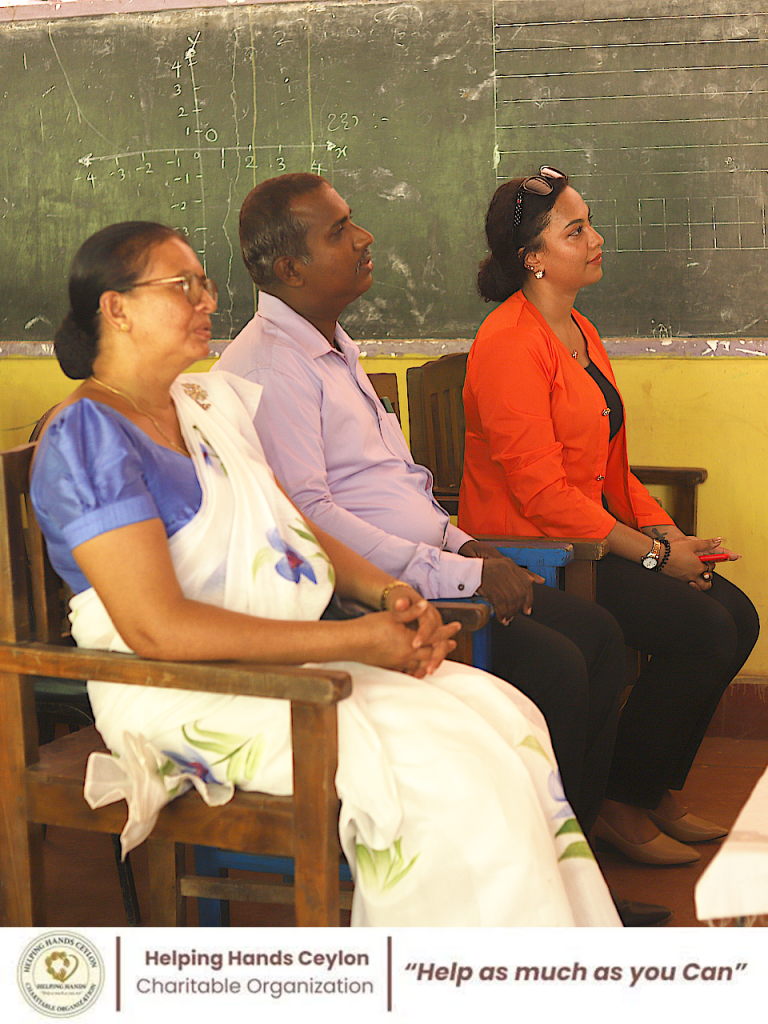
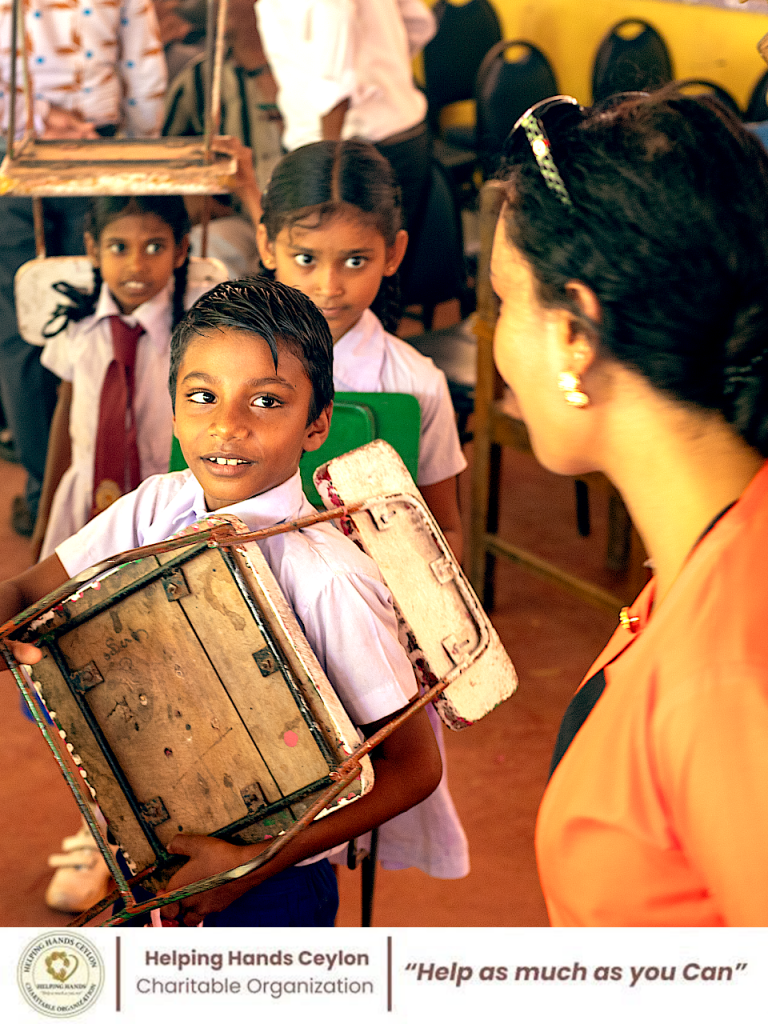
The initiative was implemented with the cooperation of the school community and relevant local stakeholders. The warm welcome extended to the HHC team by the students, teachers and community members made the visit especially meaningful.
For HHC, this journey represented more than the delivery of project materials. It was an opportunity to work directly with an underserved community and take practical steps towards addressing a long-standing need.
The experience reaffirmed HHC’s approach to community development: listen to the people, understand their circumstances and work towards solutions that respond to their real needs.
Geographical distance should never determine whether children have access to essential resources and opportunities.
6. Project Beneficiaries
Direct Beneficiaries
139 students and 15 teachers at Kalyanipura Rural College.
They are the primary beneficiaries of the school’s improved water facilities and the project’s educational and child well-being activities.
Wider Community Beneficiaries
More than 1,000 villagers are expected to benefit from the improved water infrastructure.
Expected Benefits
Project SOLRA aims to contribute to:
- Improved access to water for essential school activities.
- Better conditions for hygiene and daily school life.
- Greater access to essential educational materials.
- Reduced financial pressure on families purchasing school supplies.
- Opportunities for children to express themselves through therapeutic art.
- Improved awareness of stress management and emotional well-being.
- Positive interaction and participation through interactive activities.
- Greater awareness of responsible digital behavior.
- Wider community benefits through improved access to essential water infrastructure.
7. Sustainable Development and Long-Term Impact
Project SOLRA was developed with a long-term perspective, recognising that meaningful community development requires more than short-term assistance.
The water infrastructure is intended to provide a lasting improvement to the school’s facilities, subject to proper maintenance and continued operation. Its potential benefits extend to the surrounding community, making it an important investment in local well-being.
Educational materials help students participate in their studies, while the Healthy Minds program creates opportunities for emotional expression, creative engagement and positive interaction.
Cybersecurity awareness also introduces students to practical knowledge that can help them navigate the digital world more responsibly.
Together, these components address several interconnected aspects of children’s development and community well-being.
The project reflects HHC’s commitment to sustainable development by combining essential infrastructure with educational and social support.
Its long-term value will depend on the continued use and maintenance of the water facilities, the care of educational resources and the ongoing commitment of the school and community to protecting the benefits created through the initiative.
8. Challenges and Lessons Learned
Implementing a community project in a geographically distant and under-resourced area required careful planning, logistical coordination and a strong commitment to the project’s objectives.
The experience highlighted the importance of understanding local needs, listening to community concerns and working with school representatives and relevant stakeholders.
It also demonstrated the value of combining infrastructure development with educational and well-being support.
A reliable water supply helps create a healthier school environment. Educational materials help children participate in learning, while activities that support emotional well-being can contribute to their confidence, creativity and social development.
Project SOLRA reinforced HHC’s belief that meaningful change begins by recognising essential needs and taking practical steps to address them.
It also strengthened the importance of building relationships with communities and maintaining a commitment to their needs beyond a single project visit.
9. Acknowledgements
Helping Hands Ceylon extends its sincere gratitude to every donor, supporter, volunteer, school representative and community member who contributed to Project SOLRA.
Your support helped bring essential assistance to Kalyanipura Rural College, a school that had faced a long-standing water supply problem despite years of efforts to seek a solution.
Your contributions also helped provide educational materials and create opportunities for students to participate in the Healthy Minds programme, including therapeutic art, stress-relief sessions and interactive activities.
We are especially grateful to the school leadership, teachers and community members who welcomed our team and cooperated with the project.
Every contribution, whether financial, material or through personal effort, helped bring this initiative closer to its goals.
Project SOLRA demonstrates what can be achieved when people come together to support communities and address needs that have remained unmet for too long.
To everyone who believed in this initiative and stood with us, thank you for helping make this work possible.
10. Our Commitment
At Helping Hands Ceylon, we believe that access to water, education and a supportive environment for children should never depend on geographical location or family income.
Project SOLRA reflects our commitment to reaching underserved communities, responding to essential needs and creating opportunities for children to learn and thrive.
From Kandy to Mullaitivu, this initiative was guided by a simple principle: when a community has been waiting too long for a basic need to be addressed, meaningful action matters.
We remain committed to working alongside communities, supporting children and promoting practical, sustainable development wherever our efforts can make a difference.
Together, we can help build healthier schools, stronger communities and a more hopeful future.
HELPING HANDS CEYLON
Help as much as you can
